Unveiling the Magic: Nurturing Imagination in Early Childhood Development

Ethan Carter


Play is Not Just a Way for Children to Pass the Time
Imagination is one of the most powerful and beautiful parts of early childhood. It’s what allows a simple story to become an adventure, a toy to become a character, and an ordinary day to feel extraordinary. In the early years, imagination isn’t just play—it’s a vital part of how children learn, grow, and understand the world around them.
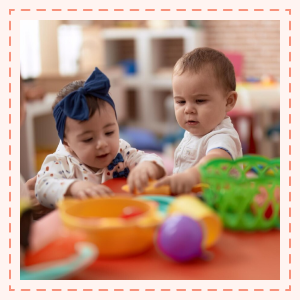
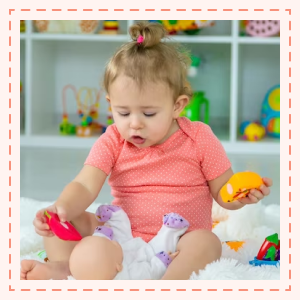
From a young age, children begin to explore through pretend play, storytelling, and creative expression. Whether they’re acting out roles, building imaginary worlds, or inventing games, they are developing important cognitive and social skills. Imaginative play helps children learn problem-solving, communication, and emotional understanding, all while having fun.
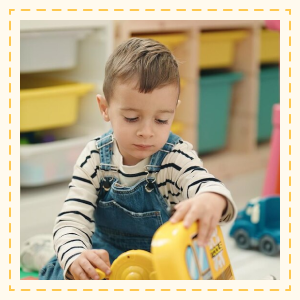
Creating the right environment is key to nurturing imagination. Children don’t need expensive toys or complex setups—in fact, the simplest resources often spark the most creativity. Open-ended items like building blocks, art supplies, and dress-up clothes give children the freedom to create their own ideas without limitations. A space that encourages exploration allows imagination to flourish naturally.
A Key to Early Childhood Development
Storytelling is another powerful way to support creative development. Reading books together, making up stories, or even encouraging children to tell their own tales helps expand their thinking and language skills. These moments also strengthen emotional connections and help children express their thoughts and feelings in a safe and engaging way.
It’s important to give children time and space for unstructured play. In today’s busy world, it can be tempting to fill every moment with activities, but imagination thrives when children are allowed to slow down and explore freely. Unstructured play encourages independence, creativity, and confidence.
As parents and caregivers, your role is to support rather than direct. Joining in occasionally, showing interest, and encouraging ideas can make a big difference. At the same time, stepping back and letting children lead their own play helps them build confidence and a sense of ownership over their creativity.

Conclusion
Imagination also plays a role in emotional development. Through pretend play, children explore different feelings, situations, and perspectives. This helps them build empathy, resilience, and a better understanding of the world around them.
Ultimately, nurturing imagination is about recognising the magic in everyday moments. It’s about giving children the freedom to dream, create, and explore without limits. When imagination is supported in early childhood, it lays the foundation for confident, curious, and creative individuals.
By embracing and encouraging imaginative play, you’re not just supporting your child’s development—you’re unlocking a world of possibilities that will stay with them for years to come.
Ready to Embark on the Adventure?


Explore Our Gallery!